
Buying a policy is only the start. Over the next twelve months, details can change. You might move house, change your car, add a named driver, adjust your mileage or review your renewal. Each of those actions can affect your premium and how insurers assess you in future.
This guide explains what usually happens when a car insurance policy is renewed, amended or cancelled in the UK. It focuses on how policies operate in practice rather than sales language.
Renewing Your Policy
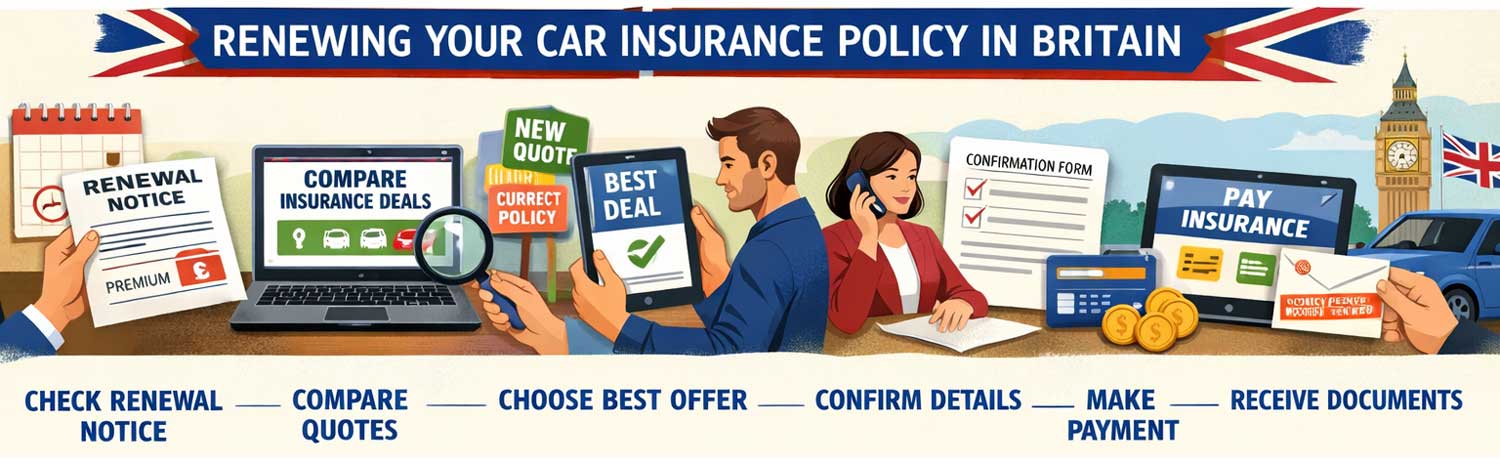
Most car insurance policies run for a year. Insurers typically send renewal documents several weeks before the expiry date. These show your new premium, last year’s premium and any changes to cover.
You can usually renew before the actual end date. Some insurers allow renewal up to around 30 days in advance. Pricing can vary depending on when you obtain a quote, as rating models update frequently.
Renewal prices may increase even if you have not claimed. Repair costs, parts inflation and wider market conditions can all influence pricing. Your individual record is only one part of the calculation.
Automatic Renewal
Many policies include automatic renewal unless you opt out. This means the policy continues and payment is taken automatically. Insurers are required to show your previous year’s premium alongside the new figure to provide context.
Automatic renewal can prevent an accidental lapse in cover. However, it does not guarantee the most competitive premium. Reviewing your options each year remains important.
If You Do Nothing
If a policy is not renewed and simply expires, cover ends at the stated time and date. Driving without valid insurance is illegal. A gap in cover while you still own a vehicle can also affect how insurers view your risk history.
Switching Insurers
You can switch insurers at renewal or during the policy term. Switching at renewal is straightforward: arrange new cover to begin when the current policy ends.
Switching mid-term is possible but may involve administration fees and adjustments to any refund due. If a claim has been made during the year, refunds may be limited or unavailable.
When arranging replacement cover, ensure the start date aligns correctly. Overlapping policies can complicate claims, while a gap leaves you uninsured.
Cancelling a Policy
You have the right to cancel a car insurance policy. The financial outcome depends on timing and circumstances.
- Within the cooling-off period: Usually 14 days from purchase. A refund is typically calculated pro-rata, minus an administration fee.
- After the cooling-off period: Refunds may be calculated on a pro-rata or short-rate basis, depending on insurer terms.
- After a claim: Some insurers reduce or remove any refund once a claim has occurred.
If instalments are missed and not resolved, insurers may cancel the policy for non-payment. A cancellation initiated by an insurer can affect future quotations.
Making Changes Mid-Term
Insurance policies are based on the information declared at the time of purchase. If circumstances change, insurers usually expect to be informed. Common mid-term changes include:
- Changing address
- Changing vehicle
- Adjusting annual mileage
- Adding or removing a named driver
- Changing occupation
- Adding business use
Some changes result in additional premium. Others may reduce the premium. Most insurers also apply an administration fee for processing adjustments.
Failing to declare relevant changes can affect how a claim is handled, particularly if the change would have influenced underwriting decisions.
Transferring Cover to a New Car
If you sell your car during the policy year, you can normally either transfer the policy to a replacement vehicle or cancel it. When transferring, the insurer will reassess the premium based on the new car’s risk profile.
If there is a short gap between selling one vehicle and purchasing another, clarify how the policy will be treated. Some insurers allow temporary adjustments; others may require cancellation and reissue.
Payments and Instalments
Policies can usually be paid annually in full or monthly by instalments. Monthly payments often include interest because the insurer is effectively providing credit.
If you miss a payment, insurers typically issue reminders. Continued non-payment may lead to cancellation. Keeping payment details up to date helps avoid disruption.
No Claims Bonus and Policy Changes
Your no claims bonus builds for each claim-free year completed. Cancelling a policy early may mean a partial year does not count towards an additional year of bonus.
Protected no claims bonus allows limited claims without losing the full discount level, although overall premiums may still rise following a claim.
Complaints and Disputes
If you disagree with a fee, cancellation decision or claim outcome, the first step is to follow the insurer’s internal complaints process. Insurers must acknowledge complaints and respond within regulated timeframes.
If a matter is not resolved, it may be referred to the Financial Ombudsman Service for independent review.
Keeping Your Policy Accurate
Car insurance relies on accurate disclosure. Changes in address, usage, occupation or driving history should be declared promptly. Even details that seem minor can influence risk assessment.
Managing your policy carefully reduces the risk of unexpected charges or disputes later. Reviewing documents at renewal, updating changes promptly and understanding how adjustments affect premium helps keep cover aligned with your circumstances.
 They are members of the British Insurance Brokers Association, John Stow House, 18 Bevis Marks, London EC3A 7JB; Membership number: 007759.