
Car insurance isn’t just a financial product. It sits inside a legal framework. Some rules protect you. Others place responsibilities on you as the driver or policyholder. Understanding both sides makes life easier, especially if something goes wrong.
This page explains the main legal and regulatory points that affect everyday motorists in the UK. Nothing dramatic. Just the things that actually matter.
The Legal Requirement to Be Insured
In the UK, it is illegal to drive a vehicle on public roads without at least third party insurance. That includes parking on the road. Insurance must be in place before you drive, not arranged afterwards.
There is also something called continuous insurance enforcement. In simple terms, if a vehicle is registered and not declared off the road, it must usually be insured. Letting a policy lapse while the car remains registered can trigger warning letters and potential penalties.
Driving Without Insurance
Driving without valid cover can lead to fixed penalties, points on your licence, a fine and even vehicle seizure. In more serious cases, it can go to court.
What catches people out is that “not valid” doesn’t always mean “no policy at all”. It can include situations where the policy was cancelled, where incorrect information was given at application, or where the use of the vehicle wasn’t declared properly. Accuracy matters more than people realise.
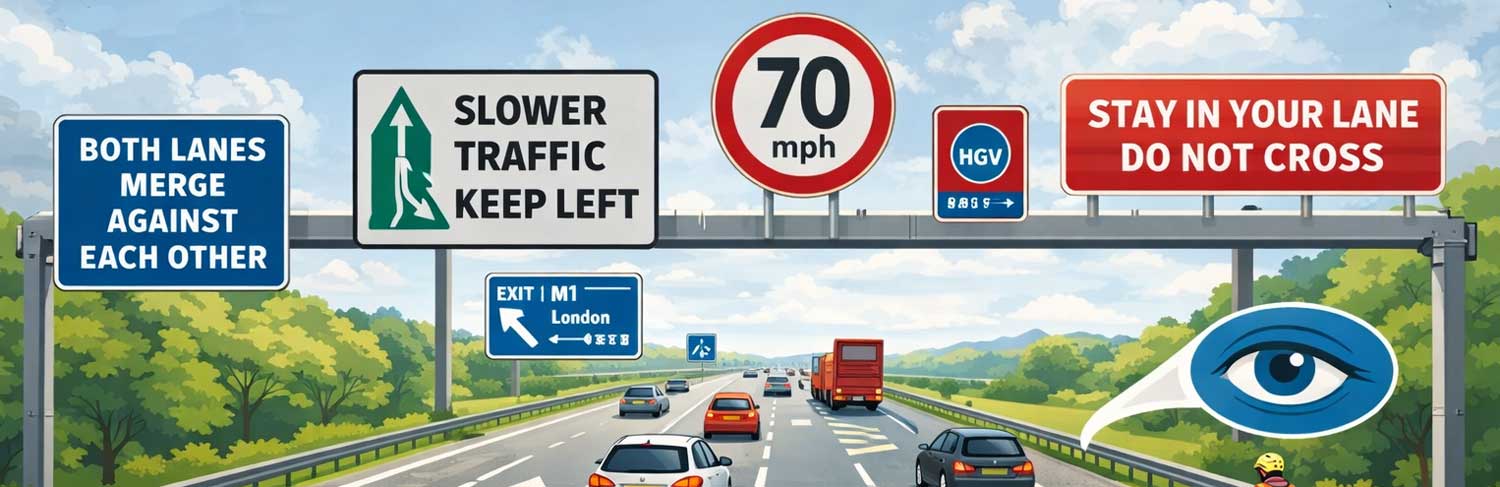
Is it Big Brother Watching Us? No, the laws are there to keep us all safe.
Disclosure: Telling the Insurer the Right Things
When you apply for insurance, you are expected to answer questions honestly and carefully. Insurers ask about claims history, convictions, occupation, mileage, vehicle modifications and how the car is used.
If something important is missed or declared incorrectly, the insurer may later adjust the premium, reduce a claim payment, or in serious cases, void the policy from the start. That is why consistency across quotes is important. Small differences in wording can lead to big differences in outcome.
Cancellation, Voidance and Refusal
There is a difference between cancelling a policy and having it voided. Cancellation usually means the policy ends from a certain date. Voidance means the insurer treats the policy as if it never existed, often because of non-disclosure.
Applications also commonly ask whether you have ever had insurance cancelled, refused or voided. That question normally needs to be answered accurately, even if the event happened years ago.
Your Right to Cancel
Most car insurance policies include a cooling-off period, typically 14 days from purchase. During that time, you can cancel and receive a refund, subject to administration charges and any time on risk.
After the cooling-off period, you can still cancel, but refunds depend on the insurer’s terms and whether any claims have occurred. The policy wording explains how this is calculated.
The Role of the Financial Conduct Authority
Car insurance providers in the UK are regulated by the Financial Conduct Authority, often referred to as the FCA. The FCA sets rules about how insurers must treat customers, including pricing transparency, complaints handling and fair treatment standards.
This regulation is designed to ensure firms act properly, but it does not remove the need for drivers to check their own documents carefully.
If You Need to Make a Complaint
If you believe an insurer has treated you unfairly, the first step is to use their internal complaints process. Insurers are required to acknowledge complaints and respond within set timeframes.
If the issue is not resolved, you may be able to refer it to the Financial Ombudsman Service. The Ombudsman looks independently at disputes between consumers and regulated firms.
The Motor Insurance Database
The Motor Insurance Database records insured vehicles in the UK. Police use it to check whether a vehicle is insured. If your details are not recorded correctly, it can cause unnecessary difficulty.
After taking out or changing a policy, it can be sensible to confirm that the vehicle appears correctly on the database once the update period has passed.
Fronting and Misrepresentation
Fronting happens when someone declares themselves as the main driver to reduce the premium, even though another person uses the car most of the time. It may feel like a harmless adjustment, but it is treated as misrepresentation.
If discovered, it can invalidate the policy and create long-term difficulty in obtaining cover. Insurers rely heavily on accurate driver information.
Data, Privacy and Fraud Markers
Insurers share information through industry databases to prevent fraud and check claims history. This can include details of previous claims, policy cancellations and certain investigations.
If you believe incorrect data is being held about you, there are formal processes to request access and correction. These sit within data protection rules rather than the insurance policy itself.
Keeping Things Straightforward
Most legal and regulatory problems arise from misunderstandings rather than deliberate wrongdoing. Reading your schedule carefully, updating changes promptly and answering application questions accurately goes a long way.
For more on how premiums are calculated, see What Affects Car Insurance Costs?. For renewals, mid-term adjustments and cancellations, Managing Your Car Insurance Policy explains how those processes usually work in practice.
 They are members of the British Insurance Brokers Association, John Stow House, 18 Bevis Marks, London EC3A 7JB; Membership number: 007759.